Money Explained: Taxes, Inflation & Interest Rates
Understanding the Numbers That Shape Everyday Financial Decisions in Lesotho
Let’s be honest. Words like taxes, inflation, and interest rates often feel confusing. We hear them on the radio, see them in the news, or encounter them at the bank, yet many people are unsure how they actually affect daily life.
But these concepts are not distant or abstract. In Lesotho, they directly influence how much you take home, how far your money stretches, and how affordable borrowing really is. Once you understand them, you can make better financial decisions for yourself, your family, or your business.
Let’s break them down using examples that feel familiar.
1. Taxes: What You Earn vs. What You Take Home
Taxes are mandatory contributions paid to the government to support public services such as roads, healthcare, education, and infrastructure.
In Lesotho, this means:
- Employees see deductions such as PAYE before receiving their salary.
- Business owners must plan for income tax, VAT (where applicable), and other statutory obligations.
- Not planning for taxes can result in penalties or cash flow challenges.
For example, if you run a small business and spend all your income without setting aside money for tax obligations, you may struggle when payments are due. Understanding taxes helps you price correctly, plan better, and avoid financial stress.
2. Inflation: Why Prices Keep Rising
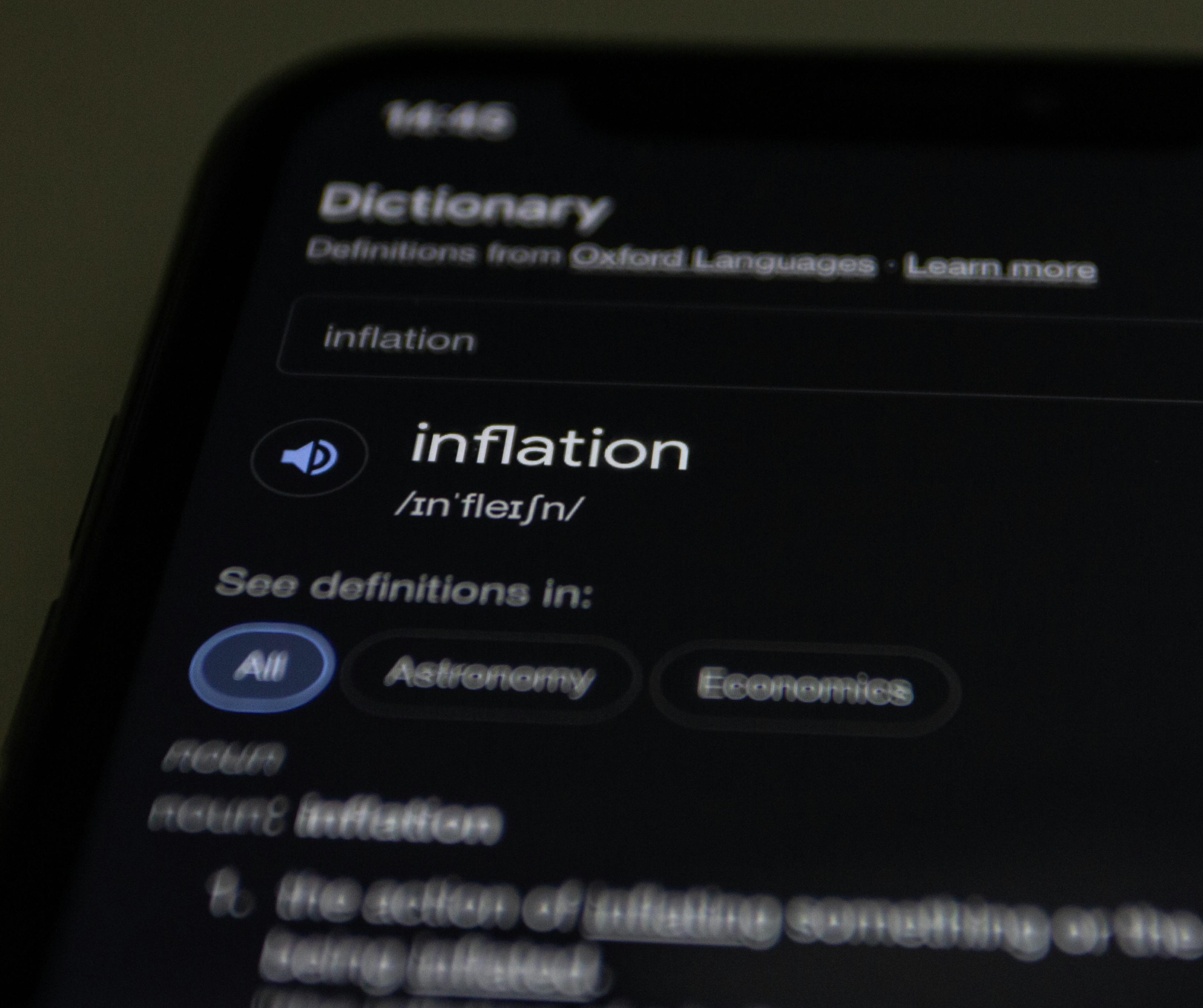
Inflation refers to the gradual increase in prices over time. In simple terms, it means your money buys less today than it did before.
In Lesotho, you may notice inflation when:
- Groceries cost more than they did a year ago.
- Transport fares increase.
- School fees, fuel, and basic household items become more expensive.
If your income stays the same while prices rise, your purchasing power decreases. This is why budgeting, saving, and finding ways to grow income are so important. Inflation makes it necessary to be intentional with money rather than reactive.
3. Interest Rates: The True Cost of Borrowing
Interest rates determine how much extra you pay when you borrow money and how much you earn when you save.
In Lesotho:
- When interest rates rise, loan repayments increase
- This affects personal loans, business loans, and working capital financing
- Higher rates can strain monthly cash flow if borrowing is not planned carefully
For example, a small business owner taking a loan to buy equipment may find repayments becoming heavier if interest rates increase. Understanding interest rates helps borrowers assess affordability and choose financing responsibly.
How These Three Affect Each Other
Inflation, interest rates, and taxes are connected.
When inflation rises, interest rates often increase to control spending. Higher interest rates raise borrowing costs. Taxes then influence how much income remains after all these factors are considered.
Understanding how they work together allows you to plan ahead instead of being caught off guard.
Why This Knowledge Matters
Financial literacy is not about knowing everything. It is about knowing enough to:
- Ask the right questions before borrowing.
- Budget realistically in a changing economy.
- Protect your income and business from avoidable financial strain.
For individuals and SMEs in Lesotho, this knowledge supports smarter financial choices and long-term stability.
Final Thoughts
Money should not feel confusing or intimidating. When financial concepts are understood in context, they become tools rather than obstacles.
Understanding taxes, inflation, and interest rates gives you clarity, confidence, and control over your financial future.
At Prime Capital, we believe that informed financial decisions lead to stronger individuals and stronger businesses. That is why we focus not only on providing financing, but also on sharing practical financial knowledge tailored to the realities of Lesotho.
Follow Prime Capital for more simplified insights, real-life examples, and guidance designed to help you make confident financial decisions and grow sustainably.
Financial clarity starts with understanding how money works around you.