
Why Registration and Compliance Matter for SME Growth
Across many developing economies, including Lesotho, small businesses operate in both formal and informal sectors. Informal businesses are often created out of necessity, providing income and supporting families. However, remaining informal can limit a business’s ability to grow, access opportunities, and build long-term sustainability.
Formalizing a business through registration and compliance is an important step toward building a credible, scalable, and resilient enterprise.
Understanding Informal Businesses
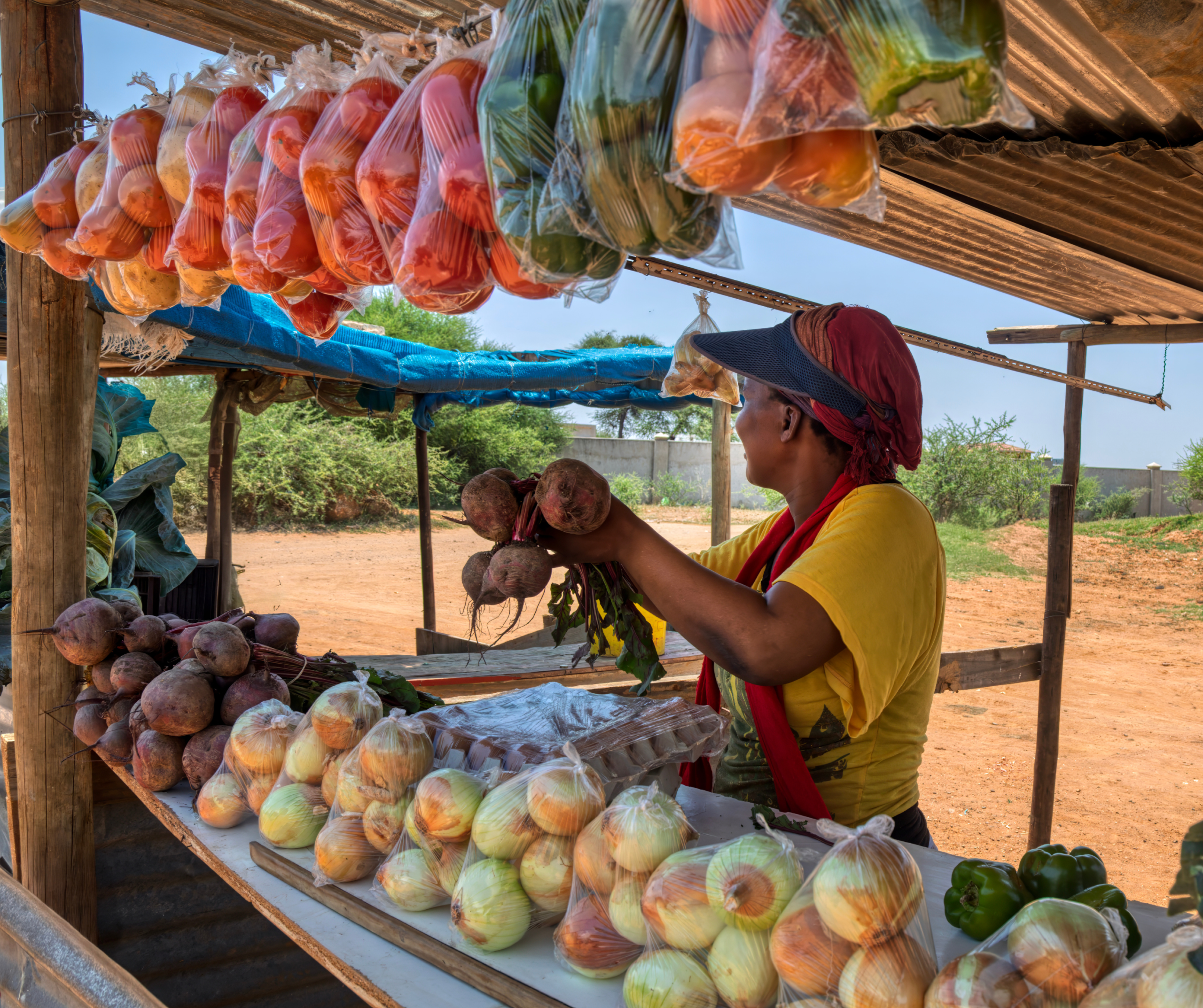
An informal business is one that operates without official registration or compliance with regulatory requirements.
This may include businesses that:
- Are not registered with relevant authorities.
- Do not maintain formal financial records.
- Operate without tax registration.
- Conduct transactions primarily in cash.
Many informal businesses start this way because registration processes may seem complex, costly, or unnecessary during the early stages.
However, remaining informal can create significant limitations as the business grows.
What It Means to Be a Formal Business
A formal business is officially registered and complies with relevant legal and regulatory requirements.
This typically includes:
- Business registration with the appropriate authorities.
- Tax registration and compliance.
- Maintaining financial records.
- Operating through formal banking channels.
Formalization creates a structured foundation that supports growth, credibility, and access to opportunities.
Why Informal Businesses Face Growth Limitations
While informal businesses can operate successfully at a small scale, they often face barriers when trying to expand.
Common challenges include:
- Limited access to financing.
- Difficulty securing contracts with larger organizations.
- Lack of legal protection.
- Reduced credibility with suppliers and clients.
Without formal registration, businesses may also struggle to build a reliable financial history or demonstrate their operational capacity.
Opportunities That Come With Formalization
Registering and formalizing a business unlocks several important opportunities.
Formal businesses are better positioned to:
- Access financing from financial institutions.
- Secure larger contracts with government or corporate clients.
- Establish formal partnerships.
- Open business bank accounts and manage finances more efficiently.
- Protect their business name and brand.
Formalization helps businesses move from small-scale operations to structured enterprises with long-term potential.
Practical SME Scenarios
Scenario 1: Accessing Business Financing
An informal business may struggle to obtain financing because it lacks registration documents or financial records.
Once the business registers and begins maintaining basic records, it becomes easier to demonstrate business activity and access financing that supports growth.
Scenario 2: Securing a Large Contract
A business receives an opportunity to supply goods to a larger company. However, the client requires suppliers to be registered businesses.
Without registration, the opportunity may be lost.
Formalizing the business allows the SME to compete for larger contracts and enter new markets.
Scenario 3: Building Business Credibility
Customers and partners often view registered businesses as more reliable and trustworthy.
A formal business structure signals professionalism, accountability, and long-term commitment.
This credibility can lead to stronger client relationships and repeat business.
Taking the First Steps Toward Formalization
Formalizing a business does not need to happen all at once. SMEs can begin by taking practical steps.
These include:
- Registering the business with relevant authorities.
- Opening a business bank account.
- Keeping basic financial records of income and expenses.
- Understanding tax obligations and compliance requirements.
These actions help build a strong foundation for growth and financial stability.

Why Formalization Matters for Lesotho’s Economy
Encouraging more businesses to formalize has broader economic benefits.
When SMEs operate formally:
- Tax revenues support national development.
- Businesses gain access to structured financing.
- Employment opportunities increase.
- The overall business environment becomes more stable and transparent.
A strong formal SME sector contributes to sustainable economic growth and resilience.
Final Thoughts
Many successful businesses begin informally, but long-term growth often requires a transition to formal operations.
Registration and compliance are not simply administrative steps. They are strategic moves that unlock access to finance, partnerships, and new market opportunities.
At Prime Capital, we believe that supporting SMEs goes beyond providing financing. It also includes encouraging responsible business practices that strengthen credibility, stability, and long-term growth.
Follow Prime Capital for insights on SME development, financial readiness, and practical steps that help businesses grow with confidence.
Formalizing your business is not just about compliance. It is about building a business that is structured, credible, and ready for growth.