
Budgeting has long been seen as a basic financial practice, but in today’s rapidly changing business environment, traditional budgeting methods are no longer enough. SMEs now operate in markets that require agility, faster decision-making, and stronger financial visibility.
Reimagining budgeting means combining disciplined financial planning with modern tools and smarter financial habits that help businesses stay prepared for both challenges and opportunities.
What Budgeting Really Means for SMEs
A budget is more than a list of expected income and expenses. It is a financial roadmap that helps businesses plan operations, manage cash flow, and allocate resources effectively.
For SMEs, budgeting helps to:
- Track where money is coming from and where it is going.
- Plan for operational expenses.
- Prepare for seasonal fluctuations in revenue.
- Make informed financial decisions.
Without a structured budget, businesses may struggle to manage cash flow or identify financial risks early.
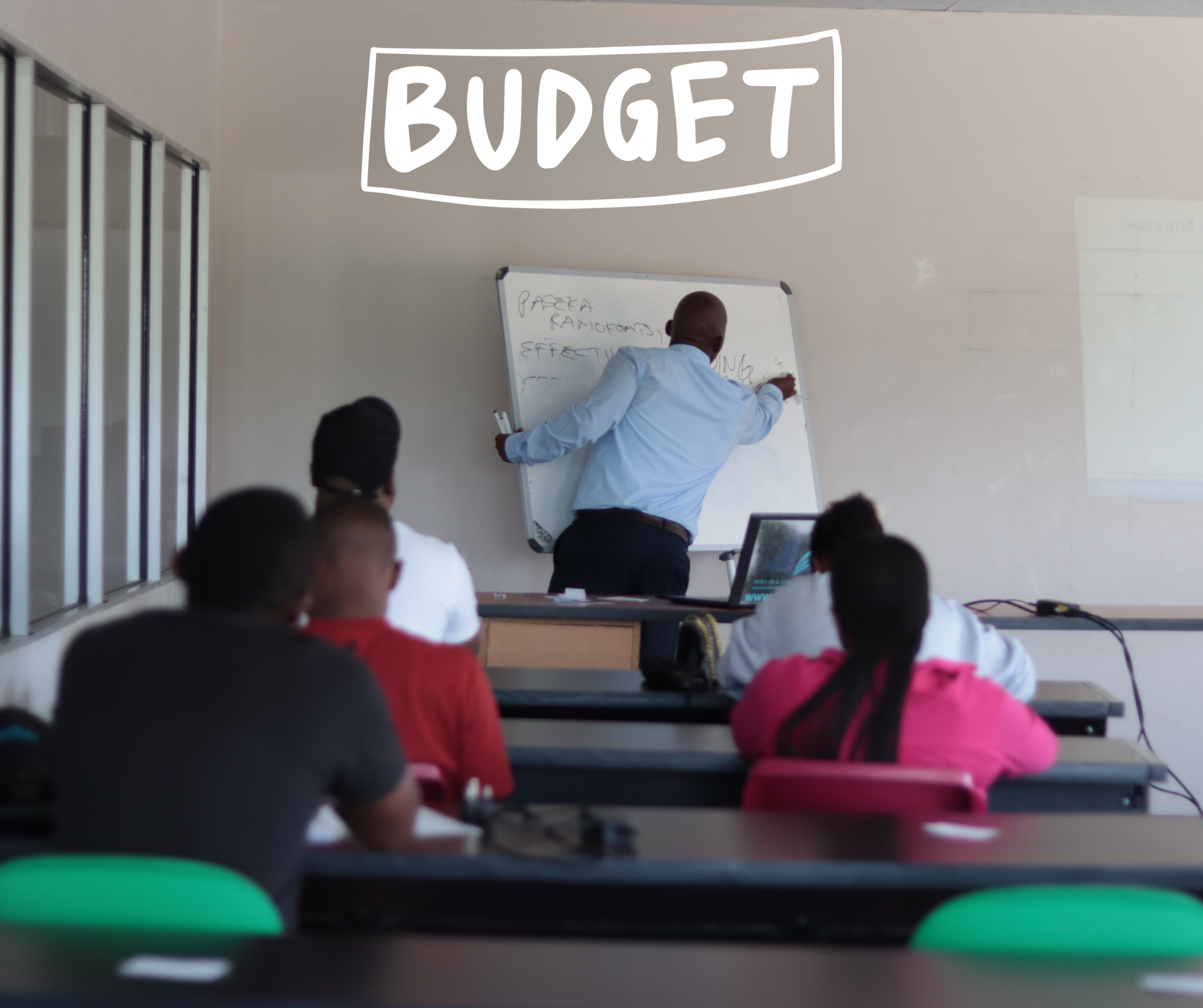
Why Traditional Budgeting Is No Longer Enough
Many SMEs still rely on informal budgeting methods such as rough estimates or mental calculations. While this may work during early stages, it becomes risky as the business grows.
Common challenges include:
- Limited visibility into cash flow trends.
- Difficulty forecasting future expenses.
- Unplanned spending that disrupts operations.
- Lack of data to support financial decisions.
Modern budgeting practices help businesses move beyond reactive financial management toward proactive planning.
Modern Budgeting Tools for SMEs
Advancements in digital tools have made budgeting more accessible and efficient for small businesses.
Today’s SMEs can use tools that help automate and simplify financial management, such as:
- Accounting software to track income and expenses in real time.
- Digital budgeting spreadsheets that organize monthly financial plans.
- Expense tracking apps that monitor spending patterns.
- Cash flow forecasting tools that project upcoming financial needs.
These tools help business owners make decisions based on real financial data rather than assumptions.
Building Better Budgeting Habits
Technology alone cannot improve financial management. Strong budgeting habits are equally important.
Effective budgeting habits include:
- Reviewing financial performance regularly.
- Separating personal and business finances.
- Monitoring operational expenses closely.
- Planning for both expected and unexpected costs.
Consistent financial discipline helps businesses maintain stability even during uncertain periods.
Practical SME Scenarios
Scenario 1: Planning for Seasonal Business Cycles
A retail SME experiences higher sales during holiday seasons but lower income during other months.
With a structured budget and cash flow forecasting, the business can plan ahead by saving during high-income periods and preparing for slower months.
This prevents operational disruptions caused by seasonal fluctuations.
Scenario 2: Managing Operational Costs
A growing business begins to experience rising operational expenses without fully understanding where costs are increasing.
By using digital budgeting tools, the business identifies unnecessary expenses and reallocates funds toward activities that support growth.
Financial clarity allows the business to operate more efficiently.
Scenario 3: Preparing for Expansion
An SME plans to expand into a new market but needs a clear understanding of costs and expected returns.
A structured budget allows the business to evaluate the financial feasibility of the expansion and prepare for the required investment.
Budgeting helps ensure that growth decisions are financially sustainable.

The Role of Financial Visibility
One of the greatest benefits of modern budgeting is improved financial visibility.
When SMEs track their finances consistently, they gain clearer insights into:
- Profitability trends.
- Spending patterns.
- Cash flow stability.
- Investment opportunities.
Better visibility helps business owners identify risks early and make more confident financial decisions.
Why Budgeting Matters for SME Sustainability
Strong budgeting practices contribute to long-term business resilience.
When SMEs manage finances effectively:
- Cash flow disruptions are minimized.
- Financial decisions become more strategic.
- Businesses are better prepared to access financing.
- Growth opportunities can be evaluated with confidence.
Budgeting strengthens the financial foundation that supports sustainable growth.
Final Thoughts
Budgeting is no longer just an administrative task. It is a strategic tool that helps businesses navigate uncertainty, manage resources wisely, and plan for the future.
By combining modern financial tools with disciplined budgeting habits, SMEs can gain the clarity and control needed to grow confidently.
At Prime Capital, we believe that strong financial management is essential for SME success. Supporting businesses with access to financing also means encouraging the financial practices that help them grow sustainably.
Follow Prime Capital for insights on financial management, SME growth, and practical strategies that help businesses build stronger financial foundations.
In today’s business environment, budgeting is not just about tracking money. It is about planning for opportunity and building resilience for the future.